
What is Brainspotting?
Brainspotting
"Brainspotting is based on the profound attunement of the therapist with the patient, finding a somatic cue and extinguishing it by down-regulating the amygdala. It isn't just PNS (Parasympathetic Nervous System) activation that is facilitated, it is homeostasis."
— Robert Scaer, MD, The Trauma Spectrum
What is Brainspotting?
Brainspotting is a powerful, focused treatment method that works by identifying, processing, and releasing core neurophysiological sources of emotional and body pain, trauma, dissociation, and a variety of challenging symptoms.
Brainspotting is a simultaneous form of diagnosis and treatment, enhanced with BioLateral sound, which is deep, direct, powerful yet focused and containing.
Who Does Brainspotting Work For?
Brainspotting is effective for a wide variety of emotional and somatic conditions. It is particularly effective with trauma-based situations, helping to identify and heal underlying trauma that contributes to anxiety, depression, and other behavioral conditions.
It can also be used with performance and creativity enhancement.
Brainspotting gives the therapist access to both brain and body processes. Its goal is to bypass the conscious, neocortical thinking to access the deeper, subcortical emotional and body-based parts of the brain.
Conditions Brainspotting Can Help With
How Does Brainspotting Differ from EMDR?
Both EMDR and Brainspotting are powerful, evidence-informed trauma therapies that work below the level of conscious thought to help the brain process and release traumatic material. Both are used at East Valley Trauma Counseling.
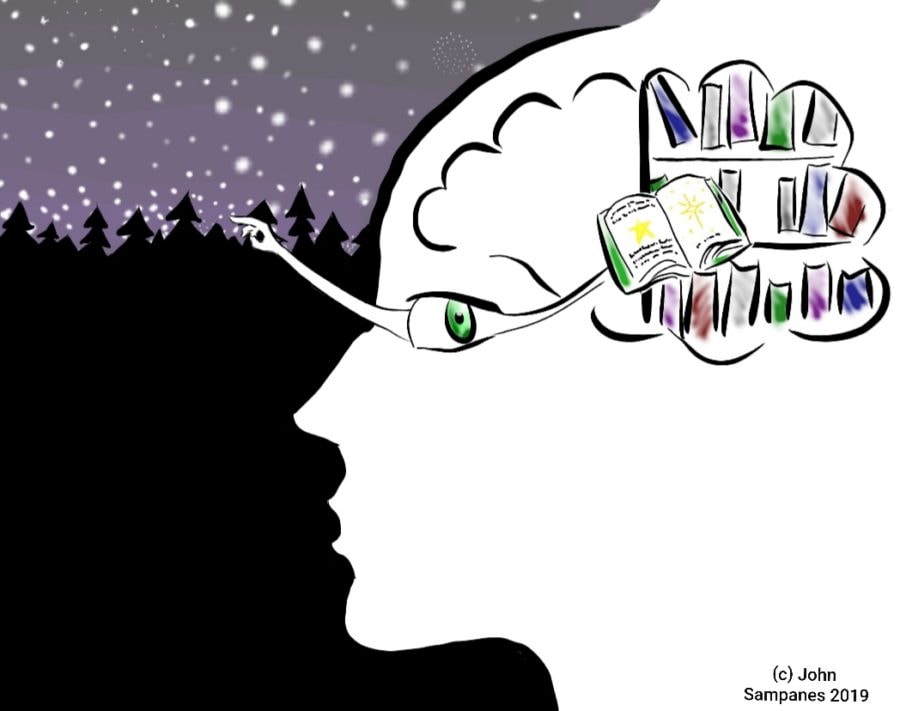
While EMDR uses bilateral stimulation (typically eye movements or tapping) to facilitate reprocessing, Brainspotting works by locating a specific eye position — a "brainspot" — that correlates with where trauma is held in the brain and body. Holding that gaze position while in a state of focused mindfulness allows the brain to process and release the stored material.
The right approach depends on the individual. Lauren will work with you to determine which modality — or combination of modalities — is the best fit for your unique needs and history.
Related Services
What is EMDR?
Eye Movement Desensitization and Reprocessing — another proven trauma modality used at EVTC.
What is Internal Family Systems?
A non-pathologizing model that helps you access your core Self to heal inner parts.
First Responders
Specialized trauma therapy for police, fire, EMS, and public safety professionals.
Interested in Brainspotting?
Reach out to learn whether Brainspotting or another trauma modality is the right fit for you.
Contact Us